Trying to figure out which New Albany neighborhood fits your life and your budget? You’re not alone. New Albany is a master‑planned community with a walkable village core, golf‑course enclaves, and several distinct single‑family pockets. As of late January 2026, Zillow’s Home Value Index for New Albany sits around $600,000, while Redfin’s median sale price has been in the $700,000 range through 2025 and into early 2026. Different data sources measure different things, so use both for context. This guide breaks down the main areas, home styles, and what to expect so you can compare confidently. Let’s dive in.
How New Albany is organized
New Albany centers on the Village Center and Market Square, the most walkable part of town with a library, shops, and frequent community events. If you want to be near year‑round programming, explore homes within walking distance of Market Square.
South and south‑central New Albany are anchored by the New Albany Country Club communities, a private‑club district built around a Jack Nicklaus‑designed, 27‑hole complex and robust amenities. If golf or club life is a priority, this is your starting point. Get a feel for the scale and facilities from this overview of the New Albany Country Club.
North‑central neighborhoods include the Links area and surrounding single‑family pockets, with more varied product types and proximity to employment centers. Across town, you’ll notice leisure trails, parks, and civic open space woven through most subdivisions, making it easier to bike or walk to schools and parks. For an overview of the trail network, see the city’s parks and trails guidance.
Finally, the New Albany International Business Park sits just north of the village center. If you value a short commute to local employers, the Business Park can be a helpful reference point when comparing neighborhoods.
Neighborhoods and housing styles, explained
Below are four representative neighborhood types you’ll find in New Albany. Each one aligns to a different lifestyle, home style, and price band.
Country Club estates (highest price band)
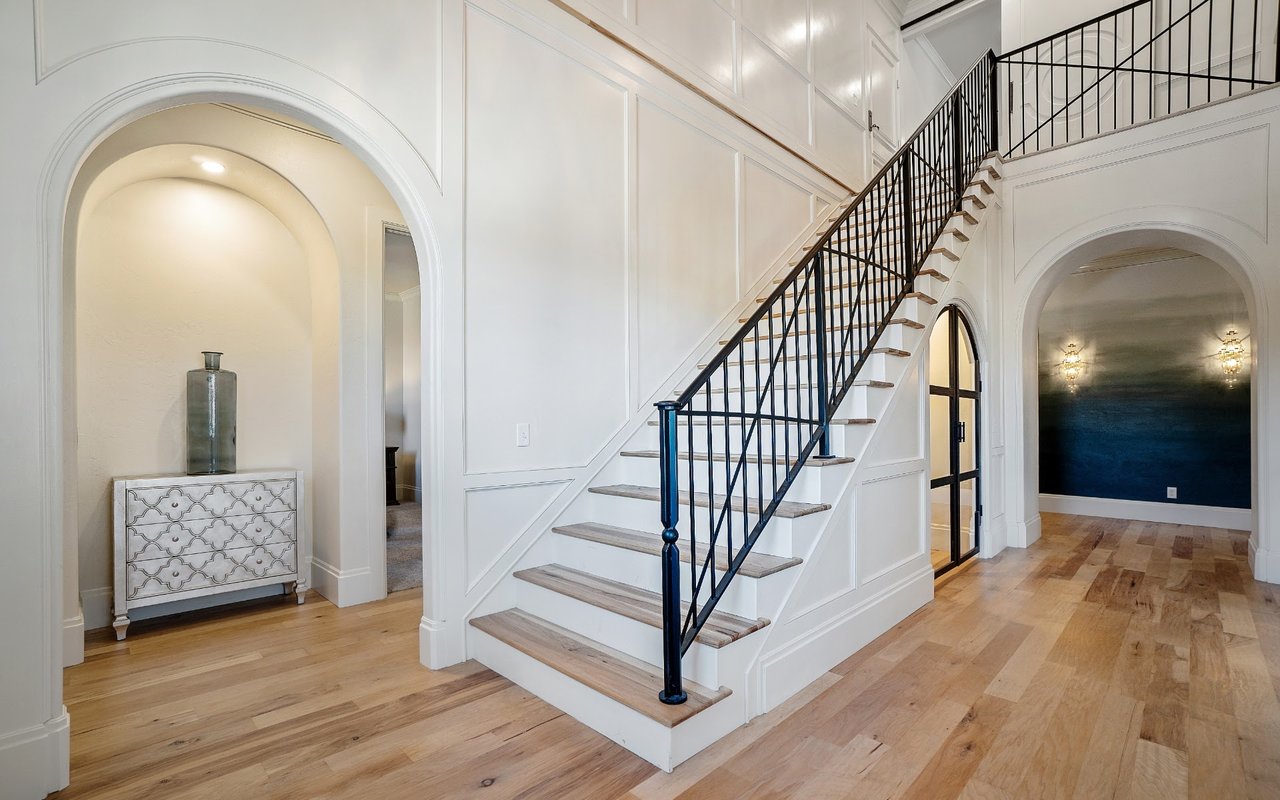
If you picture classical or Georgian‑inspired architecture on generous lots with access to club amenities, you’re thinking of the New Albany Country Club area. Lambton Park is a good example, with estate‑scaled homes, private ponds, and many lots around three‑quarters of an acre. Explore the character and typical lot cues on the Lambton Park page.
What to expect:
- Large custom or semi‑custom homes on estate lots, often with golf or pond views.
- Strong architectural standards and active HOA governance across master and sub‑associations.
- Premium resale values that tend to track the club’s amenity appeal and event calendar.
- Higher annual fees in some sub‑associations; always confirm with the HOA before you buy.
You’ll also find enclaves like Clivdon and Tensweep within the Country Club footprint. These pockets generally sit in the $1 million‑plus bracket, with design and upkeep standards that protect neighborhood character.
Village‑center townhomes and condos (walkable, low‑maintenance)
If you want to live steps from the library, shops, and events, focus around Richmond Square. Residences here range from traditional townhomes to higher‑end “Grand Residences,” and most are a quick stroll to Market Street. Get a feel for the options on the Richmond Square neighborhood page.
What to expect:
- Townhomes and condos with minimal yard work and monthly condo or HOA fees.
- Direct walkability to Market Square and the library, plus fast access to community events.
- Pricing that spans mid‑six figures to low‑seven figures depending on size and finish.
- Fee details and rules governed by the master association and sub‑associations. For the latest documents, check the Richmond Square HOA page.
Master‑planned single‑family neighborhoods (broad middle band)
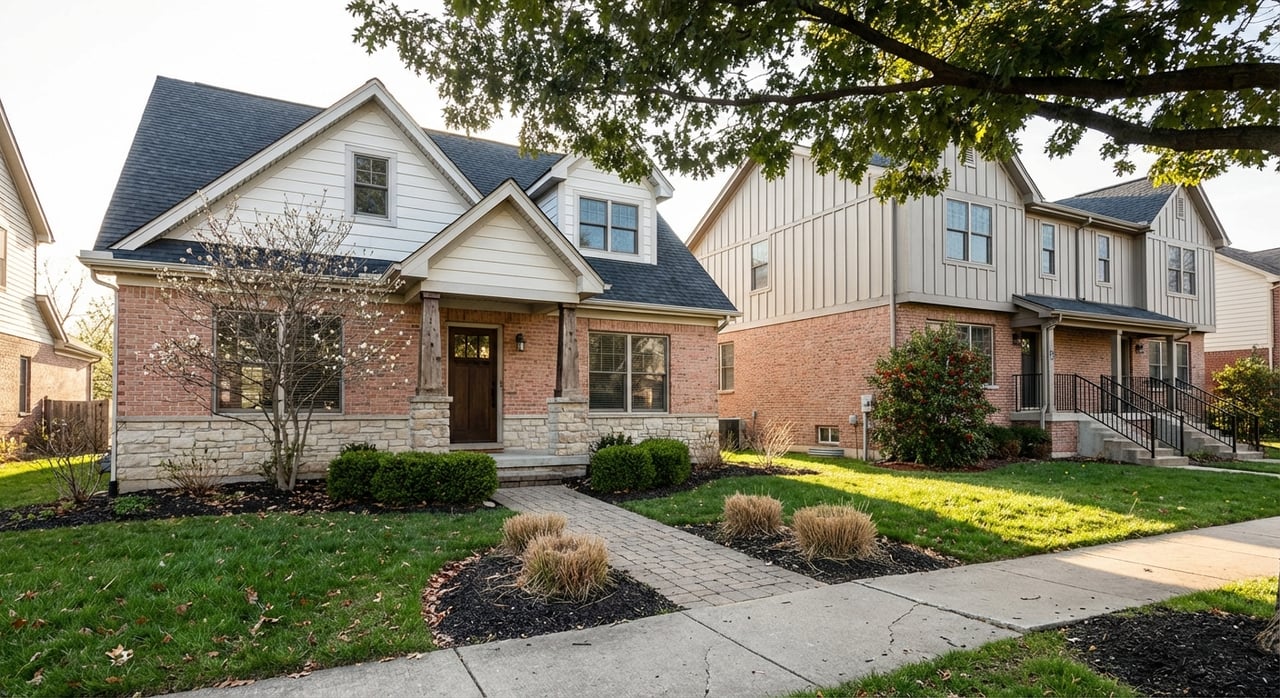
Looking for traditional single‑family homes with sidewalks, greens, and trail connections? Hampsted Village and Hampsted Green, Ealy Crossing, and The Preserve fit that bill. These areas offer a range of home sizes and lot types, with many designs tied into the city’s trail network so you can bike or walk to parks and, in some cases, the schools campus. Browse the city’s neighborhood index to compare styles and locations.
What to expect:
- Detached homes in multiple phases, typically on neighborhood‑scale lots.
- Community greens, sidewalks, and trail links to parks and schools.
- A wide middle price band within New Albany. Zillow’s neighborhood ZHVI examples show variation, from Fodor around the mid‑$600k range to Central College closer to the high‑$200k to low‑$300k range (examples only). Always check recent sales for the pocket you’re targeting.
- HOAs are common; verify annual fees and any design standards during due diligence.
New construction and luxury infill (limited, premium)
As of 2025–2026, select phases like Ebrington, Woodhaven, Oxford, and HighGrove continue to offer new or recent builds within and near the Country Club footprint. These opportunities range widely by lot, builder, and interior finish. Inventory is limited and timelines can change, so ask for current lot releases, model‑home hours, and upgrade packages before you tour.
What to expect:
- New builds and recent‑construction homes with modern systems and energy features.
- Premium lots with golf, water, or wooded backdrops in select phases.
- Wider price spread based on location and customization.
- Builder contracts and HOA design guidelines that may differ from resale norms.
Schools, parks, and daily life
The New Albany‑Plain Local School District and its centralized campus influence many buyers’ decisions. The district is widely regarded as high quality, and neighborhoods often mention trail or bike access to the campus. For district updates and contacts, start with the New Albany‑Plain Local Schools site. Always verify specific school assignments based on the property address.
Parks and trails are a major lifestyle asset. The city maintains a connected leisure‑trail network and multiple destination parks, which you can preview through its parks and trails overview. If your routine includes sports leagues, bike rides, or evening walks, factor trail access into your neighborhood short list.
Commute and future access
New Albany’s employment base includes the large New Albany International Business Park. Proximity to that corridor can shorten daily commutes and is one reason demand in nearby neighborhoods stays strong.
The city also invests in road and trail improvements. For example, the Walnut Street and SR‑605 roundabout, scheduled for 2026, aims to smooth traffic and enhance trail connectivity. You can review the city’s update on the Walnut Street and SR‑605 project.
Quick decision guide
- Want walkable, low‑maintenance living near shops and the library? Focus on village‑center townhomes and condos like Richmond Square.
- Prefer larger lots, classical architecture, and club amenities? Explore Country Club estates such as Lambton Park and nearby enclaves.
- Need a traditional single‑family neighborhood with sidewalks, greens, and trail links? Compare Hampsted, Ealy Crossing, and The Preserve.
- Shopping for a new build or recent construction? Ask about current releases in phases like Ebrington, Woodhaven, Oxford, and HighGrove.
What to verify before you buy
- Market context. Cross‑check neighborhood‑level comps and trends. Zillow’s ZHVI for New Albany was about $600,000 as of Jan 31, 2026, while Redfin’s median sale price hovered in the $700,000s through 2025 and early 2026. Different methods, both useful.
- HOA and condo rules. Request the latest declarations, design guidelines, and fee schedules. For example, Richmond Square documents are posted on the association portal.
- School assignment. Confirm property‑specific boundaries with the district before making an offer. The district site is a good starting point.
- Taxes and assessments. Use the county’s official tool for parcel‑level tax figures and any special assessments. Start with the Franklin County property search.
- Daily feel. Visit Market Square during an event and drive a Country Club subdivision to compare ambiance, access, and trail connections.
Ready to compare neighborhoods with clear numbers and a calm, step‑by‑step plan? Reach out to Jason Peeler for a personal consult. You’ll get data‑driven guidance, pricing insight, and a stress‑free path to the right New Albany fit.
FAQs
Are there townhomes in New Albany near shops and dining?
- Yes. Townhomes and condos cluster by the village center, especially around Richmond Square, which is designed for easy walks to Market Street and community events. See the Richmond Square overview.
Which New Albany neighborhoods are closest to the schools campus?
- Many master‑planned areas offer trail access to the campus. Hampsted, Ealy Crossing, and The Preserve often highlight walk or bike connectivity. Always confirm assignments with the school district.
Where are the golf‑course communities in New Albany?
- The New Albany Country Club area includes multiple subdivisions with golf or amenity access. Examples include Lambton Park and nearby enclaves. For context on club scale and facilities, review the New Albany Country Club overview, and see Lambton Park for a neighborhood snapshot.
How much are HOA or condo fees in New Albany?
- Fees vary by master and sub‑association. For townhomes/condos near the village center, monthly assessments are typical. Always verify the latest documents with the association. As an example, the Richmond Square HOA page posts current contacts and documents.
Is there new construction available in New Albany now?
- Yes, but it is limited. As of 2025–2026, phases like Ebrington, Woodhaven, Oxford, and HighGrove offer new or recent builds. Ask for current lot releases, model hours, and timelines before touring.